
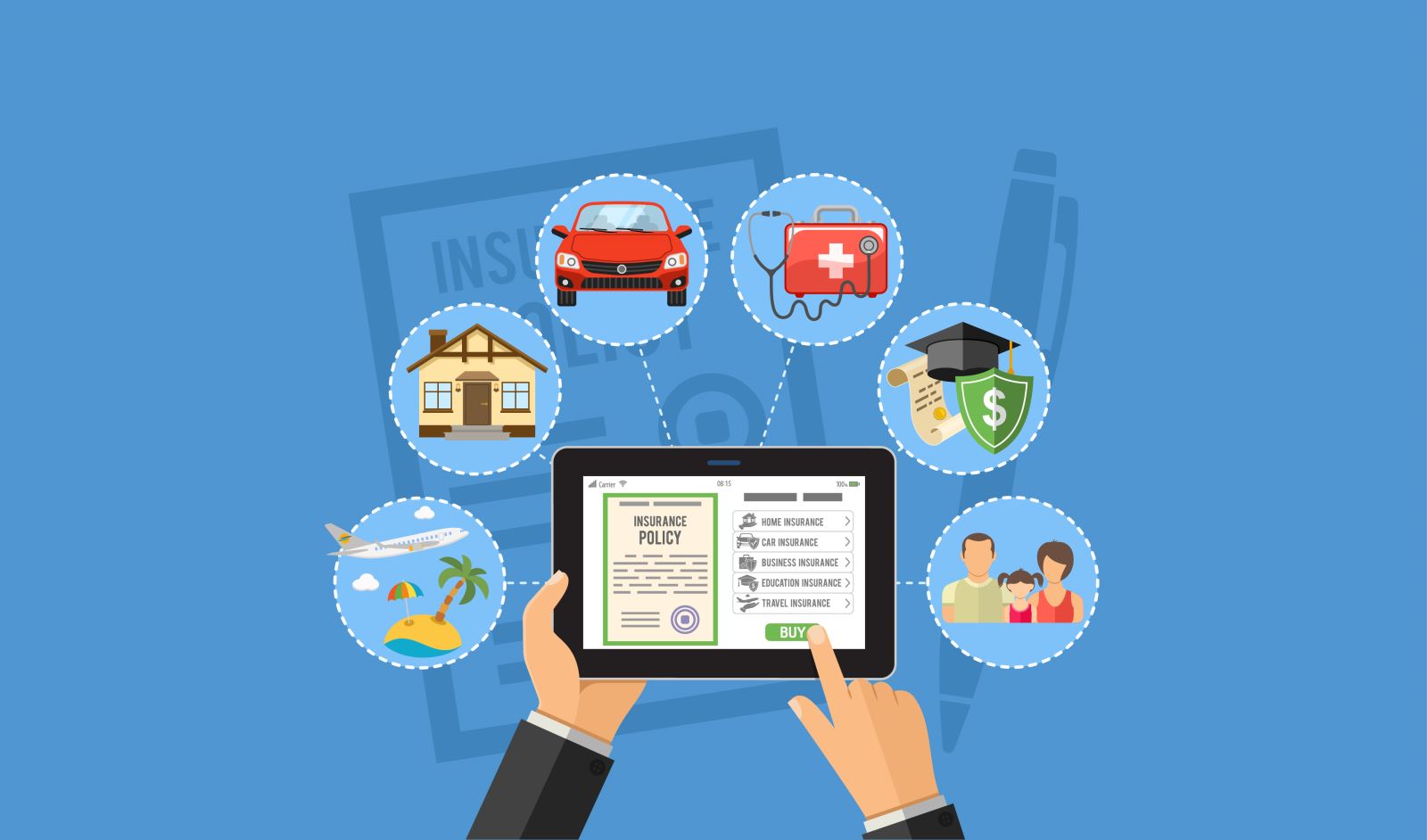
The insurance industry has been deeply affected by digital transformation. Digital technologies have allowed insurers to improve their processes, offer new products and services, and interact with customers more effectively.
Here are some of the main strengths of digitalising insurance:
Policy management platforms
Insurers use digital platforms to manage policies, payments, renewals and changes in cover. This makes administration easier for customers and insurers alike.
Online comparison and purchase
Websites and online platforms let customers compare insurance offers from different companies and buy directly online. This gives customers more transparency and choice in their insurance decisions.
Personalised products and services
Digitalisation makes it possible to collect and analyse large amounts of customer data, so insurers can offer more personalised products and services. For example, insurers can use customer data to assess risk more precisely and offer tailored cover that matches each customer’s specific needs.
New business models
Digitalisation gives insurers the opportunity to develop new, innovative business models. For example, some insurers adopt usage-based models, where customers pay only for the actual use of their insurance services. In addition, blockchain technology is opening the way to new models of risk sharing and smart contracts.
Online claims management
Customers can report claims online and follow the progress of their file. Insurers use digital tools to process claims faster and more efficiently, which improves the customer experience.
Chatbots and virtual assistance
Chatbots and virtual agents provide customer support, answer frequent questions and guide customers to the right information. This reduces waiting times and improves customer satisfaction.
Wider accessibility
Digitalisation lets insurers reach a wider audience. Online services and digital platforms give people in remote areas, or with time constraints, easy access to insurance services. It also helps reach specific market segments, such as younger generations used to digital technologies.
Data analysis and personalised pricing
Insurers use data analysis to assess risk and offer prices tailored to customer profiles. Data is used to build more precise risk profiles.
A better customer experience
Digitalisation makes it possible to offer a smoother, faster and more convenient customer experience. Customers can take out policies online, manage them and file claims more easily, without having to visit an agency. This improves customer satisfaction and strengthens loyalty.
Process optimisation
Digitalising internal processes lets insurers improve their operational efficiency. Manual, repetitive tasks can be automated, which reduces errors and processing times. Insurers can then handle a larger volume of policies and claims while cutting administrative costs.
Collaboration and partnerships
Digitalisation fosters collaboration between insurers, brokers, agencies and other players in the insurance ecosystem. Digital platforms allow fast, transparent data exchange, simplifying distribution and policy management processes.
In short, digitalising insurance offers many benefits: a better customer experience, optimised processes, personalised products and services, and opportunities to develop new business models. It lets insurers stay competitive, attract new customers and adapt to market changes.