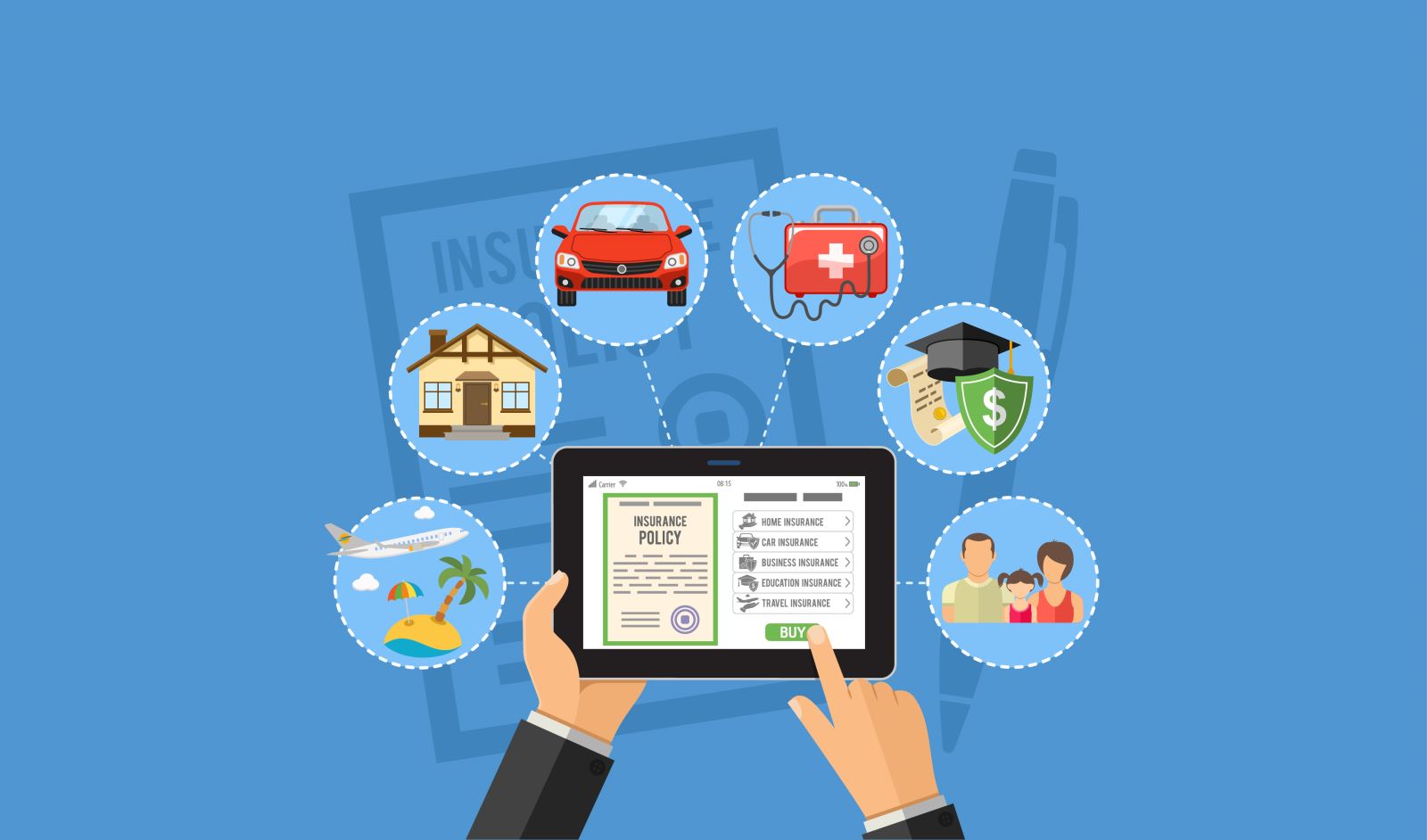

Microfinance institutions (MFIs) are key players in providing financial services to low- and middle-income people and to small and medium-sized businesses. They develop above all in regions where access to traditional banking services is limited or inadequate.
I. Digital tools and resources for MFIs
There are a great many. Examples include:
Mobile apps and web platforms
Banking web platforms or mobile apps let customers manage their accounts, make payments, transfer money and even manage their investments from their smartphones or computers. Customers can therefore use all these services without going to a branch.
Chatbots
Chatbots improve the customer experience by giving quick, accurate answers to questions. They help solve problems and offer financial recommendations.
CRM
With a customer relationship management tool available to sales agents or customer service, customers can be converted faster. Customer feedback is also recorded in real time, which simplifies handling.
Data analysis and financial forecasting tools
Big data and predictive analytics are used to assess risk and personalise product offers, as well as to improve financial decision-making.
Security tools and biometric authentication
Security measures such as biometrics (fingerprints, facial recognition) can be built into platforms to strengthen user authentication and protect sensitive data.
Open banking
Open banking makes secure sharing of financial data between different financial institutions and service providers easier. It gives customers an overall view of their finances and access to more personalised services.
II. The benefits of digitalising MFIs
Digitalisation brings many benefits to microfinance institutions and their customers.
Wider reach
Digitalisation lets MFIs reach customers in remote or underserved areas through digital channels such as mobile apps, websites and digital service points.
Lower costs
Digital operations let MFIs cut the costs of running physical branches and paper processes. It also improves cash management.
A more diverse product offering
Digitalisation lets MFIs offer a wider range of products and services, for example online loans, payment services, savings products and insurance suited to the needs of low-income customers.
Online credit applications
With a web or mobile platform, a customer can fill in a credit application online and even receive an automated answer if they meet all the criteria. Borrowers can therefore access financing faster.
A better customer experience
Digital platforms offer a more user-friendly experience, through features such as real-time transactions, account notifications and chatbots that answer questions.
Financial inclusion
Digitalisation can improve financial inclusion by making it easier for unbanked customers to access basic financial services.
Lower risk and better data management
Digital solutions can help reduce the risks of handling cash. They also improve customer data management, which can support more informed decision-making.
Financial education and training
MFIs can use digital tools to provide customers with financial information and training. This helps them better understand financial products and make more informed decisions.
Partnerships with fintechs
MFIs can collaborate with fintech start-ups to develop innovative solutions suited to the needs of low-income customers.
Digitalising microfinance institutions therefore has many benefits. It is important to note, however, that it must be implemented thoughtfully, taking into account customers’ specific needs and local challenges. Training customers to use new technologies and guaranteeing data security are crucial aspects of this transition.