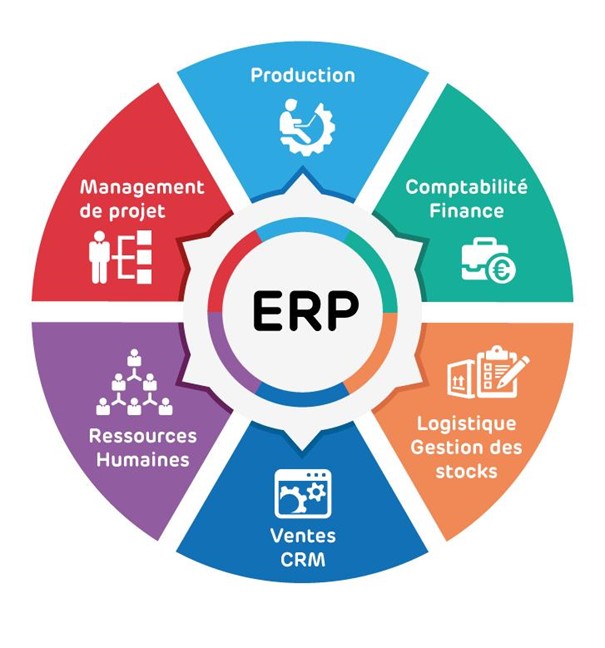
With an ERP, a company runs its purchasing process efficiently
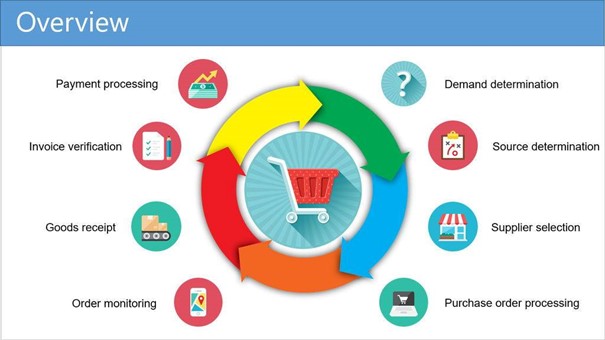
An ERP lets you manage purchase requests with several levels of end-to-end approval. There is no longer any need to handle them on paper, with purchasing-specific software, or with a set of in-house mini applications (Excel macros, Access…). Implementing an ERP meets a company’s purchasing and procurement needs, cuts wasted time and maximises performance. It also lets you follow the conversion of purchase requests into supplier purchase orders, the execution of those orders, and the supplier invoice that follows, before or after delivery of the goods or services.
An ERP helps a company improve its sales management

An ERP lets a company create sales quotes and manage credit limits per customer. It also provides detailed sales reports (revenue by product, salesperson, sales team or point of sale; commercial margins, and so on), shows open invoices per customer in one click, and makes it easy to send reminders at any time. An ERP makes every sales operation, from order to invoice, dynamic and flexible.
No more overstock, loss or stock-outs, thanks to an ERP
An ERP gives a company precise knowledge of its product stock across its stores and warehouses. The company can also better plan and carry out supplier receipts and customer shipments, and print all logistics documents. An integrated management system also limits financial losses by anticipating the end of life of perishable products and stock-outs.
Thanks to an ERP, you can control product quality during supplier receipt or production

An ERP lets you define quality control plans tied to logistics or production operations, handle quality alerts more effectively, and report and follow every non-conformity. You can work collaboratively with the other departments (supply chain, production, maintenance, finance), print quality certificates and generate analysis or control reports at any time.
With an ERP, you can optimise your production
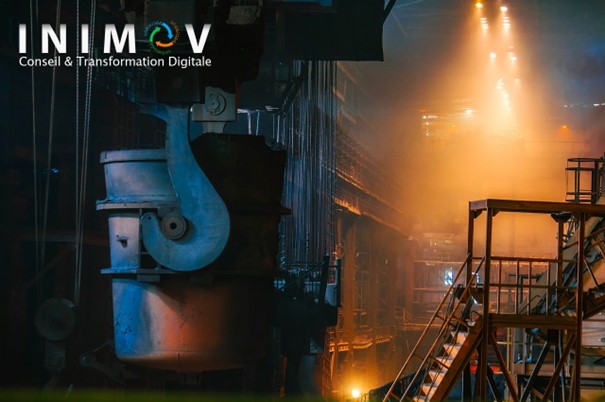
You can generate production orders from customer orders or from a well-built master production plan, schedule them, and track manufacturing declarations (time, quantity). You can also handle production contingencies (scrap, maintenance, quality alerts, disassembly…), measure the efficiency of your workstations and analyse your production costs.
Tracking maintenance requests and equipment repairs gets easier with an ERP
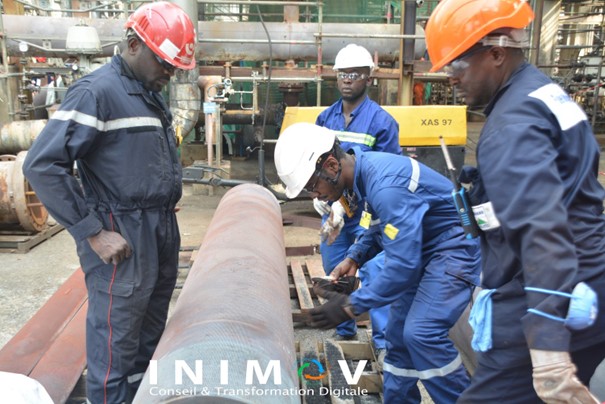
In an ERP, in just a few clicks, a company can:
- Create all of the company’s equipment
- Automate preventive maintenance management
- Handle all corrective maintenance requests
- Follow a maintenance order from start to finish
- Measure key indicators per piece of equipment
- Communicate effectively with the production department to reduce downtime