This article continues part 1.
With an ERP, a company can easily build and track its budget
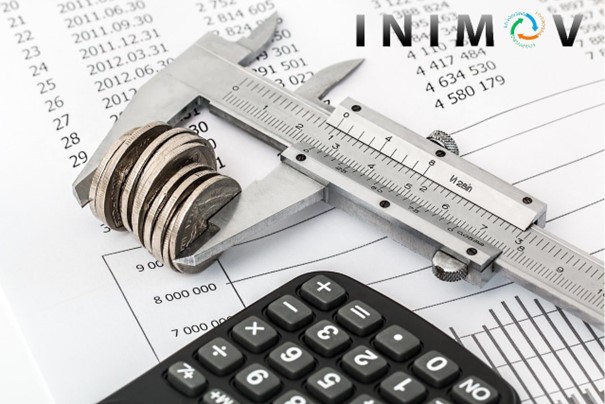
An ERP lets you build the budget of the whole company or of each department. Budget tracking is real time: every expense and every revenue is posted to the right analytical account, so you can anticipate any overrun. You can also link budget management to the other business processes in the ERP (purchasing, sales, accounting…). One tool is enough to measure the company’s performance and follow operations at the same time.
An ERP automates your accounting
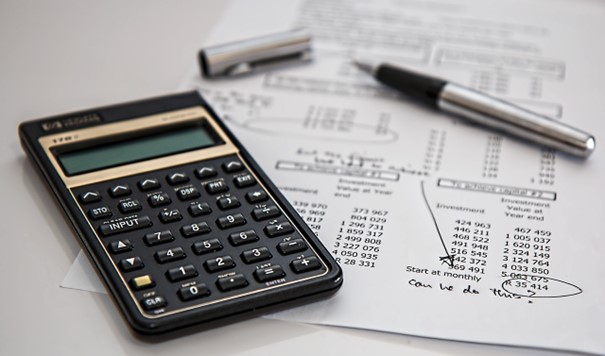
Keep accounting activities at your fingertips with an integrated management system. In a few clicks you get your financial reports: income statement, balance sheet, general ledger, trial balance, tax report and more. You also manage fixed assets and depreciation efficiently. An ERP can automatically generate accounting entries once customer and supplier invoices and payments are recorded, cutting the time spent on manual bookkeeping.
An ERP supports your project planning and management
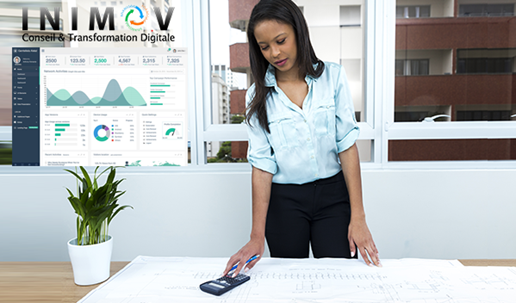
An ERP lets you follow your projects precisely and measure the analytical performance of each project or department. Every project and every task is traced by team member, execution time and cost. The system lets you measure the cost of your human resources per project and optimise it.
An ERP supports your human resources management

General managers and HR managers can run human resources in an integrated management system. They can:
- Create all employee records
- Follow recruitment processes and employment contracts
- Approve leave requests
- Record staff timesheets
- Assess employees in each department
- Approve staff expense reports
- Organise payroll statements
Managing human resources becomes lighter and simply more pleasant.